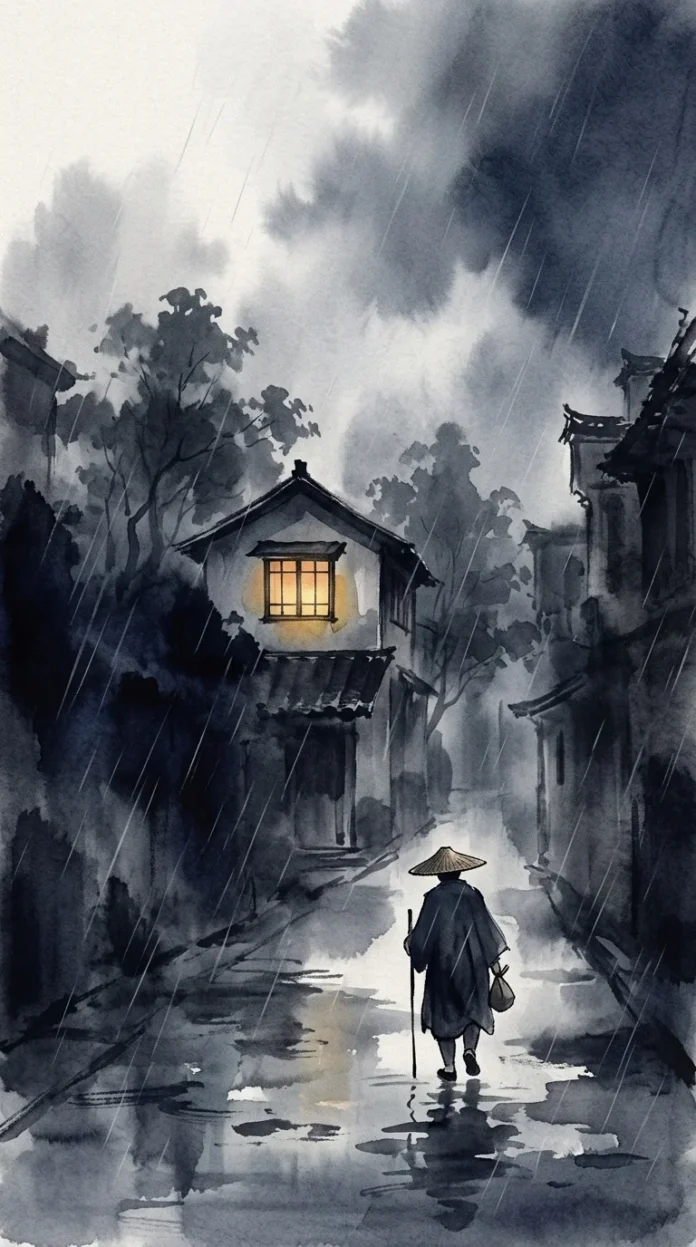
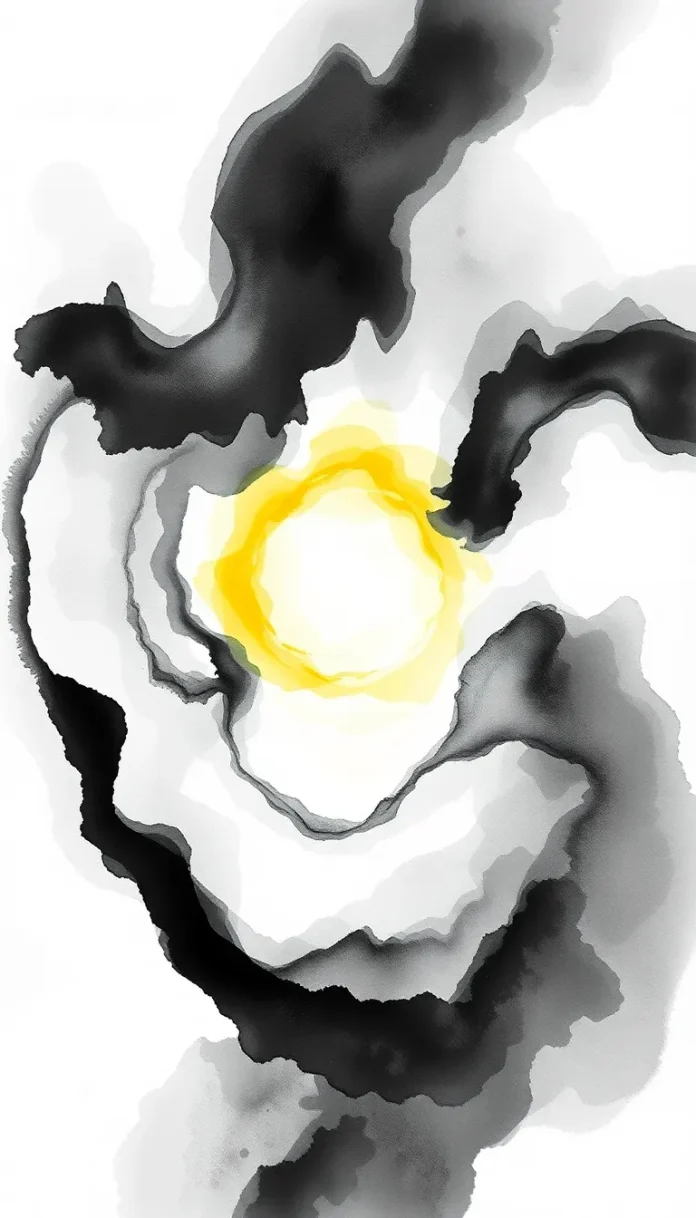
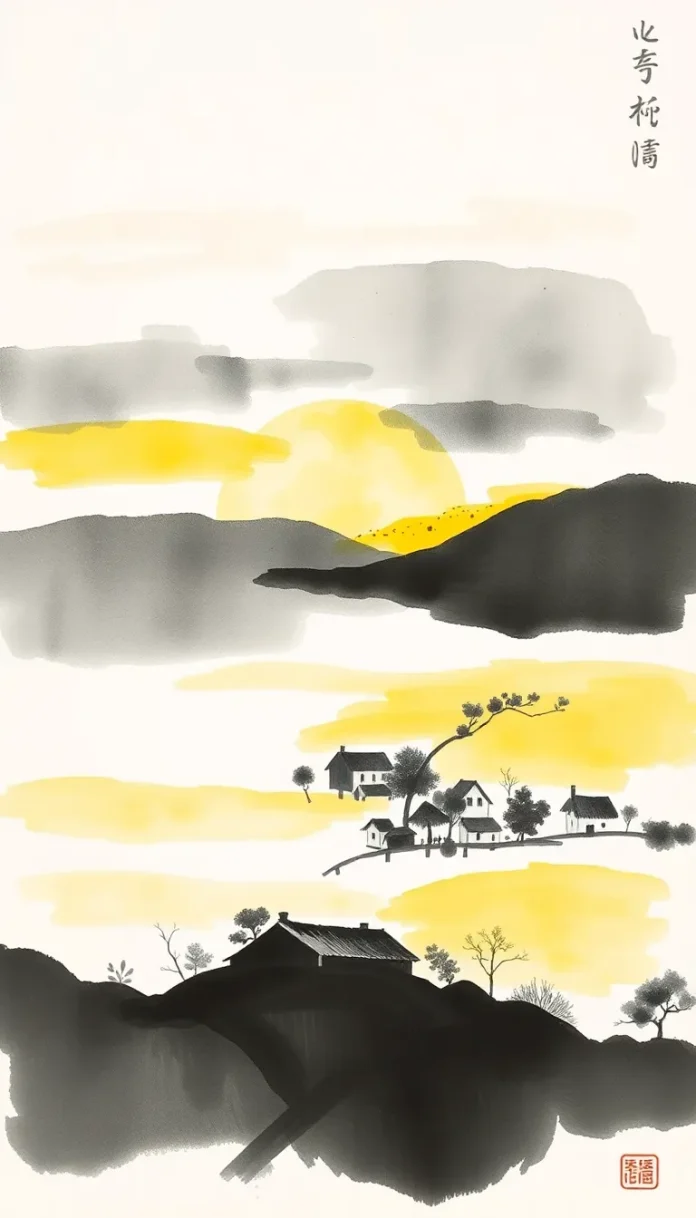
This original poem lingers in the small moment before renewal becomes obvious. The river does not burst into spring; it simply begins to move again, and that motion becomes a form of hope.
All winter the river kept its strength
under a locked mouth of ice,
holding dark water, broken twigs,
and one unfinished thought of light.
The banks grew used to that restraint.
Even the reeds stood still enough
to look like something remembered
instead of something alive.
Then, in a morning with no trumpet in it,
a seam gave way.
Not loudly—
just enough for motion to remember its name.
A narrow current slipped forward,
black as ink, clean as breath.
It carried splinters of sky,
rubbed fear thin against stone,
and taught the waiting shore again
that release can be gentle.
That what survives the cold
does not always rise shining.
Sometimes hope returns this way:
not as a bird, not as a blaze,
but as pressure easing from frozen things,
and water finding its way on.
Read next: After the Last Train and Orchard Before Dawn.